
Look under the visible cards
Here is what to know. Compare possible moves by what they uncover as well as by the length of the sequence they create. A move that reveals a hidden card gives you another fact to work with. You cannot know the identity of a hidden card before it is exposed. A longer visible run is not automatically better than a move that opens the tableau.
Give yourself room
A whole-column move into another empty column does not reveal anything new on its own. Consider the next destination before filling your only empty column. An empty column can hold a temporary sequence while you rearrange other cards. You must eventually fill every empty column before dealing from the stock.
Favor matching suits
On this website, the following points apply. Same-suit descending cards remain movable as a group. Matching colors alone do not give that benefit in four-suit Spider. A shorter matching group can be easier to reuse than a longer mixed-suit build. Look for ways to join matching segments without burying a card you need elsewhere.

Plan how to separate suits
Here is what to know. Only the same-suit descending segment at the bottom moves together. A mixed-suit move can be worthwhile when it reveals a card or frees a column. Before extending the mixed build, look for temporary destinations that could help you separate it. Avoid assuming that every descending column can be moved as one unit.
Plan around Kings
On this website, the following points apply. A King requires an empty column because there is no higher rank. Placing a King in your last empty column may reduce your immediate rearrangement options. A group beginning with a King has the same limitation. Moving a King can still be useful when it uncovers an important hidden card.
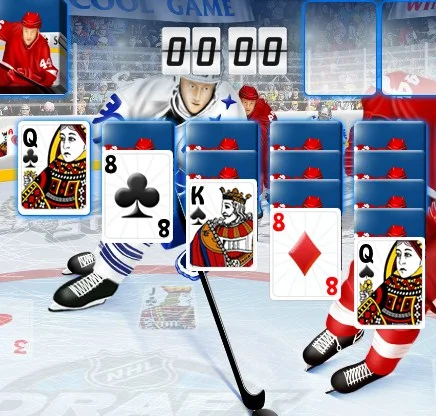
Pause before dealing
Here is what to know. Keeping all columns occupied is a requirement for using the stock. Check whether a visible move can expose a card or join matching suits before you deal. A stock deal adds one card to every column and may disrupt useful sequences. Dealing remains an option when the visible layout offers no useful improvement.
Compare follow-up choices
Ask what a move will let you do next rather than considering only the first destination. No simple rule can guarantee success on every randomly shuffled deal. Moving a small segment may release a second move that was previously blocked. Try to leave more than one useful destination when the layout allows it.
Use undo as a lesson
Keep these details in mind. Compare what each alternative reveals instead of repeating the same sequence without a new idea. Replay is useful when you want to revisit the opening arrangement of the same deal. Undo restores the previous card state, including flips and collected runs. The timer does not move backward when you undo.
Make the final decision
Here is what to know. The suggested move may be useful for investigation without leading to a win. Repeatedly using Hint cycles through the available suggestions for the current position. Hints search legal moves in the visible position. A hint does not reveal the stock or hidden tableau cards.
Choose a comfortable challenge
Four suits gives you more suit conflicts to resolve using the same rules. A short, focused session can be more useful for learning than rushing to finish a difficult deal. One suit is useful for practicing rank order and the controls. Two suits introduces the difference between a descending build and a movable same-suit group.